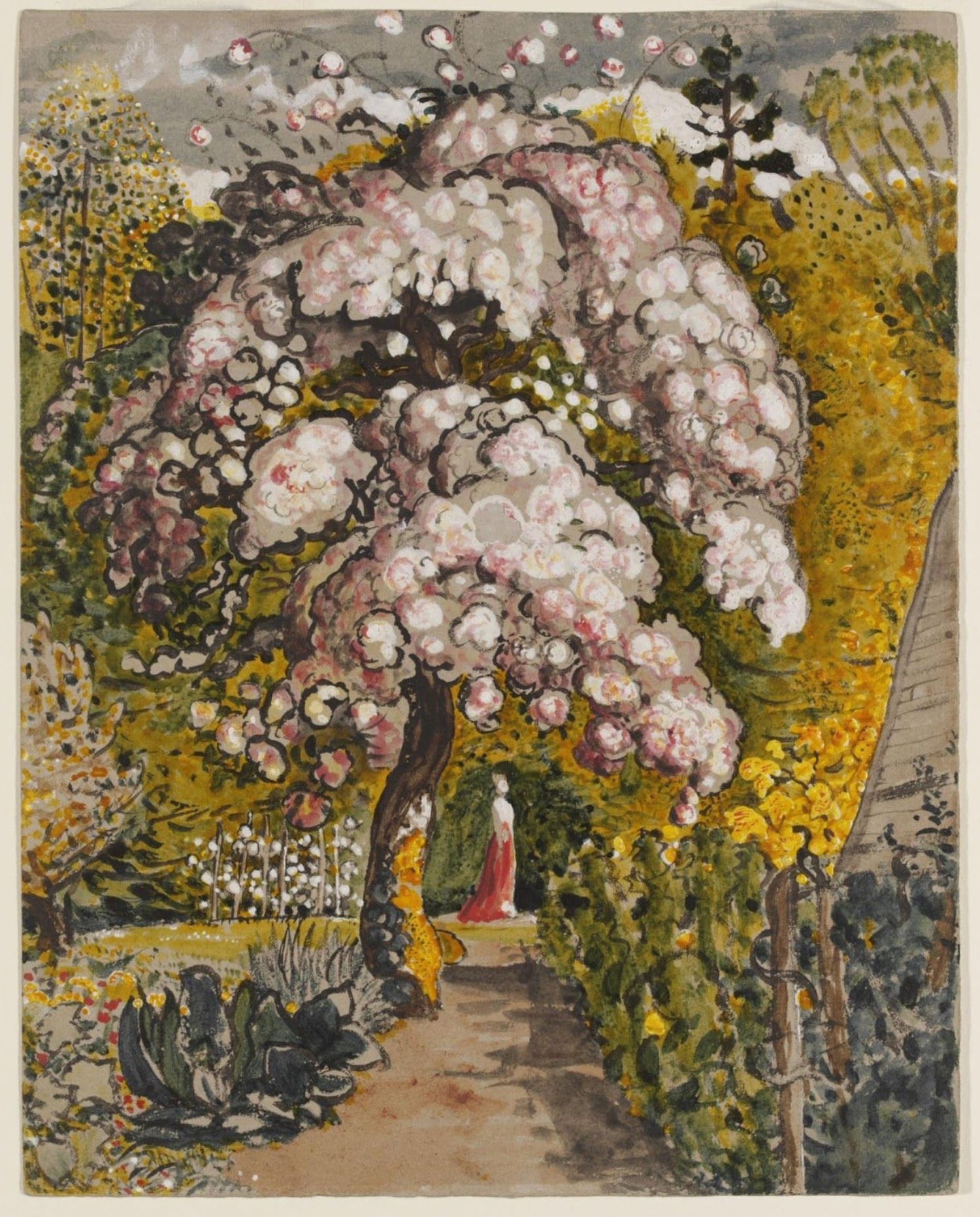
Art Work of the Week — Samuel Palmer, In a Shoreham Garden (c.1830) — There’s a Palmer at the V&A I keep returning to in April. An apple tree in such extravagant pink blossom it looks almost delirious, a small figure in a red robe gazing at something beyond the frame. Palmer’s Shoreham years were a decade of disclosure — he painted landscape as if something were being revealed through it rather than merely depicted. It feels right for this month, when the blackthorn suddenly whitens the hedgerows and the orchards commit to their shock of bloom.
An article that made me think — The ecological crisis as a crisis of attention — I’ve been reading Emergence Magazine again this week — a journal of ecology, culture and spirituality I return to when I need to recalibrate. Their insistence that ecological loss is first a loss of attention — that we have forgotten how to look — rhymes with what I feel most strongly in my own poetry practice. If the world is withdrawing from us, we are also withdrawing from it; the question isn’t what to do about that so much as how to stand in the presence of the world for long enough to register what’s actually there.
Something I learned this week — The shape of the word “aletheia” — Following a thread in my own reading I ended up back at the Greek: a-lētheia, un-concealment, the negation of forgetting. The word for truth in Homer is literally a refusal to let something slip back into the hidden. I’ve been working with this concept for so long as a philosophical idea that I’d half-forgotten how physical it is. When the fog lifts off the Leadon, when a fox steps out of the hedge — that’s aletheia, and it has nothing to do with correctness and everything to do with showing up.
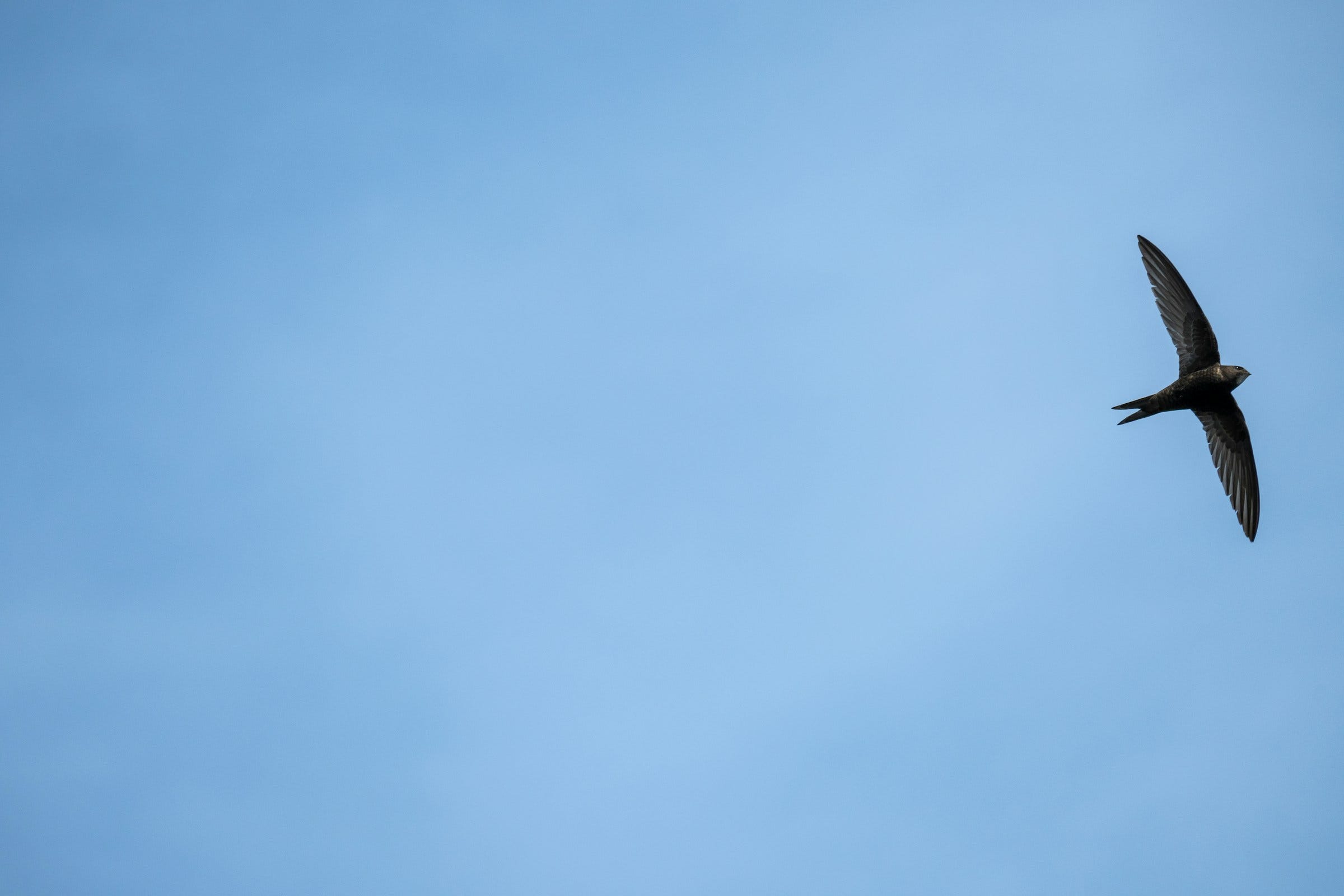
Something happy — The first swifts are almost here — Swifts winter south of the Sahara and travel nine thousand miles to get here; they eat, sleep, mate, and drink on the wing, and touch down only to breed. Any day now they will be overhead, screaming low over the gardens. Every year I forget they’re coming and every year they arrive and I am stopped in the middle of whatever I’m doing, standing in the garden looking up like a fool. Happiness is a poor word for it, but it will do.

Where I found hope this week — The work itself — The Cinnamon Press pamphlet deadline fell at the end of March, and the Brotherton Prize followed a week later. After several months of daily editorial attention I have come out of that phase slightly blinking, like someone leaving a cinema into the afternoon light. What I found, when the submissions were in and the manuscript was sealed, was not exhaustion but a quiet gratitude for the work itself. The pamphlet may be accepted or it may not; that part is out of my hands. What isn’t out of my hands is the fact that I now know each poem better than I did before, and that the labour of attention has rearranged something in me. This, I think, is what practice looks like: not outcome, but a thickening of the capacity to stay.
Something inspiring — Clare Shaw — The Wells Poetry Competition this year is being judged by Clare Shaw, whose work I’ve been reading closely. She writes out of a commitment to honesty about mental health, trauma and recovery that refuses both euphemism and melodrama — a difficult middle register, and she inhabits it with real formal intelligence. What’s inspiring is watching a poet stay so close to the ground.
A poem to enjoy — “But these things also” by Edward Thomas — April brings me back each year to Edward Thomas, and this year to the short poem that begins “But these things also are Spring’s — / On banks by the roadside the grass / Long-dead that is greyer now / Than all the Winter it was.” A poem about the unglamorous face of the season: the chip of flint, the white shell of a broken snail, bleached grass. Spring disclosed not through obvious beauty but through what survives the winter’s erosion. Thomas knew that disclosure is partial and unflattering as often as it is lovely — and he closes with the wonderfully ambiguous “And Spring’s here, Winter’s not gone.”
A Substack to savour — The Clearing by Katherine May — Katherine May — author of Wintering and Enchantment — writes about solitude, slowness and seasonal living with a kind of attentiveness I find sustaining. Her pieces are unhurried and she refuses to performatively cheer up. I’ve been reading her alongside my own Beyond Solitude work and finding quiet companionship there.
Music I enjoyed this week — Delius, On Hearing the First Cuckoo in Spring — There is nothing else like this six-minute rhapsody by Delius, composed in 1912 and built around the two-note call of the cuckoo folded into an English pastoral idiom. The whole piece drifts and lifts as if the orchestra itself had caught a thermal. I haven’t heard a cuckoo yet this year — they come later and fewer than they used to — but the piece is standing in for one, which is one of the things music can do.