

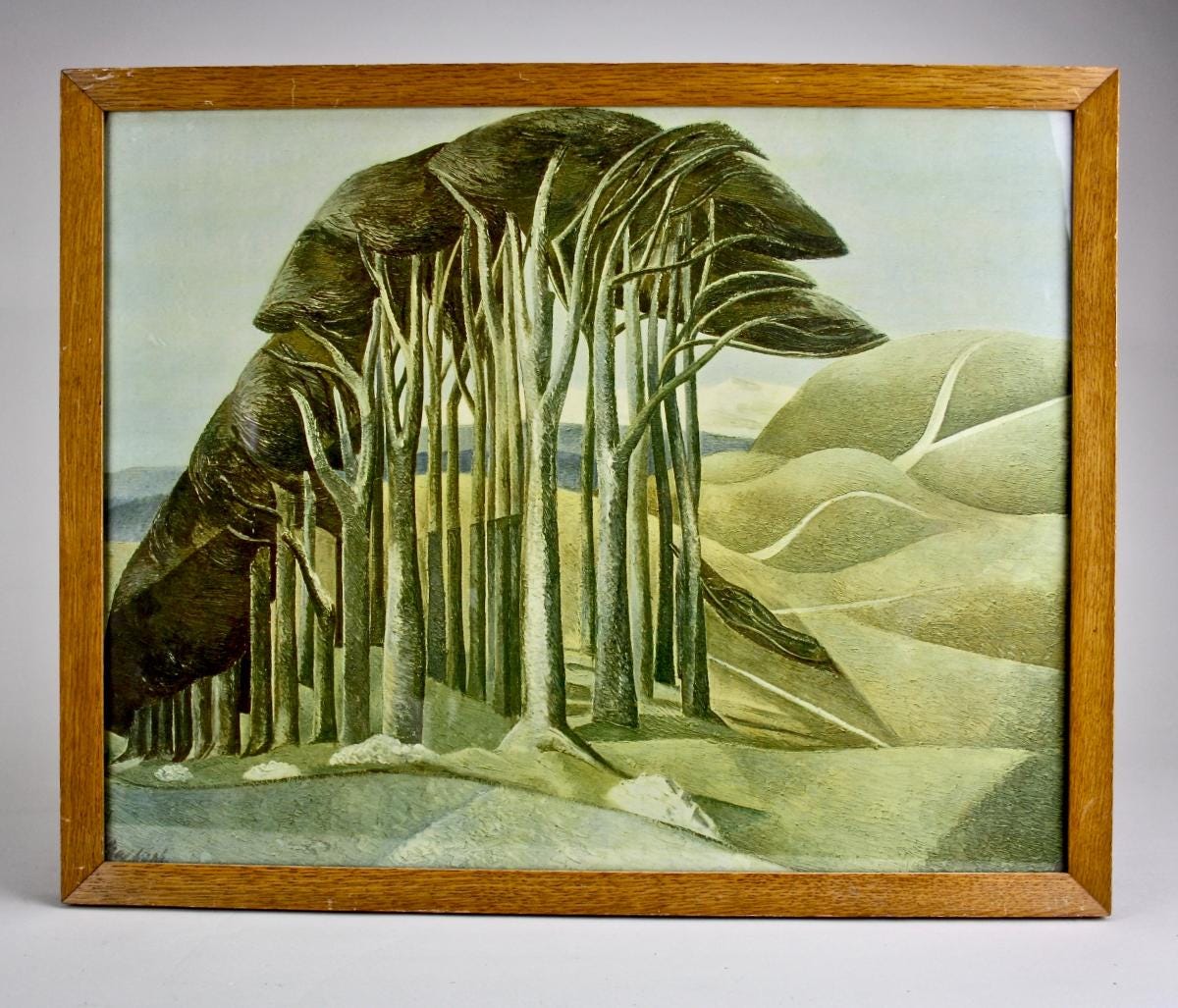
Art Work of the Week — Paul Nash, Wood on the Downs (1930) — Aberdeen Art Gallery holds a Paul Nash I remember in early summer: a beech wood at the edge of chalk downland, the trees standing in a loose council and the foreground opening into a green clearing the eye is pulled towards before it has decided to look. Nash was working at the visionary edge of English landscape painting — the same line that runs from Palmer through Constable — but with the modernist’s quieter geometry. The painting is, almost too literally, what a clearing looks like: a place that is itself by virtue of what stands around it.
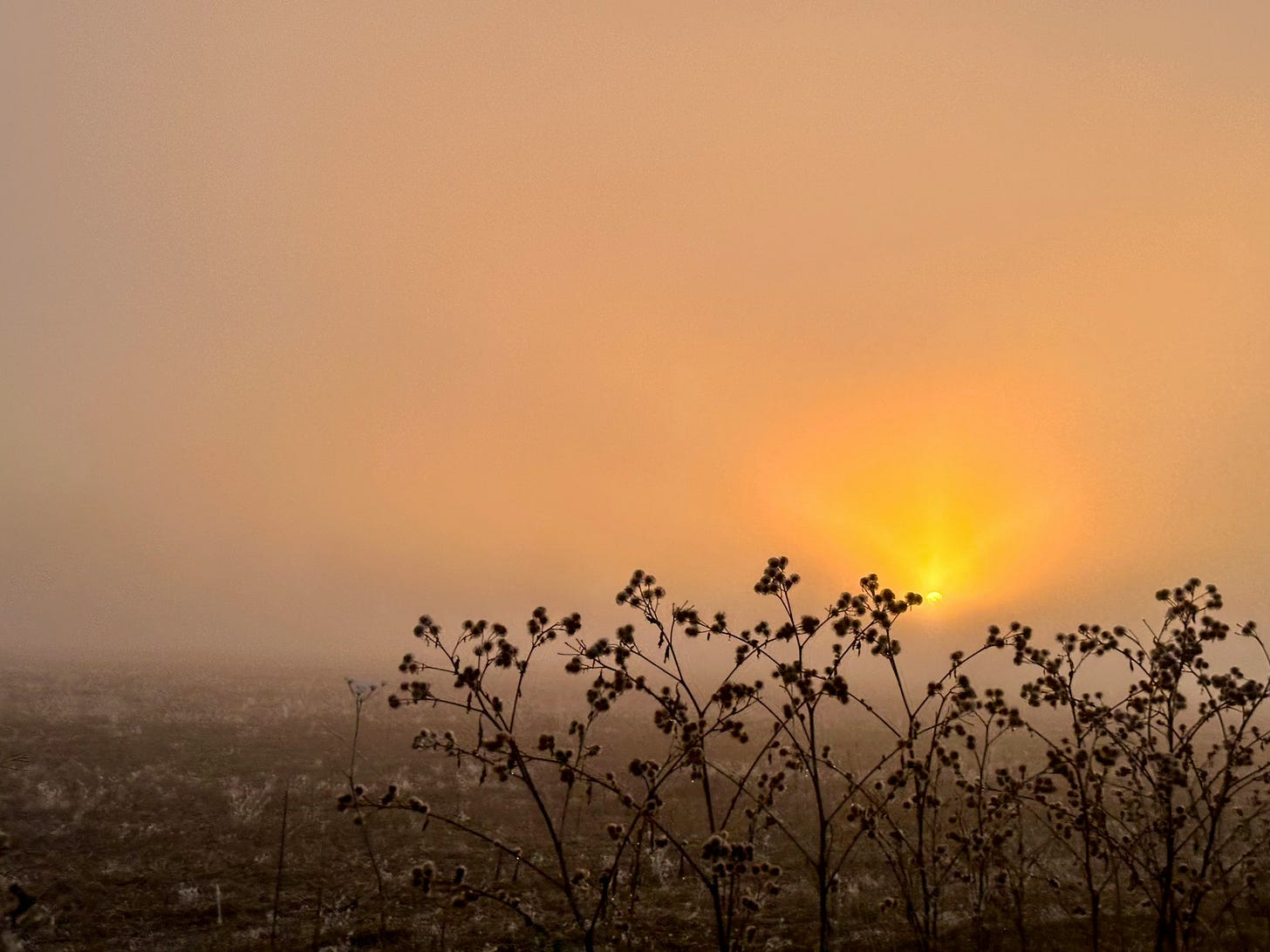
Photo by John Cameron on Unsplash
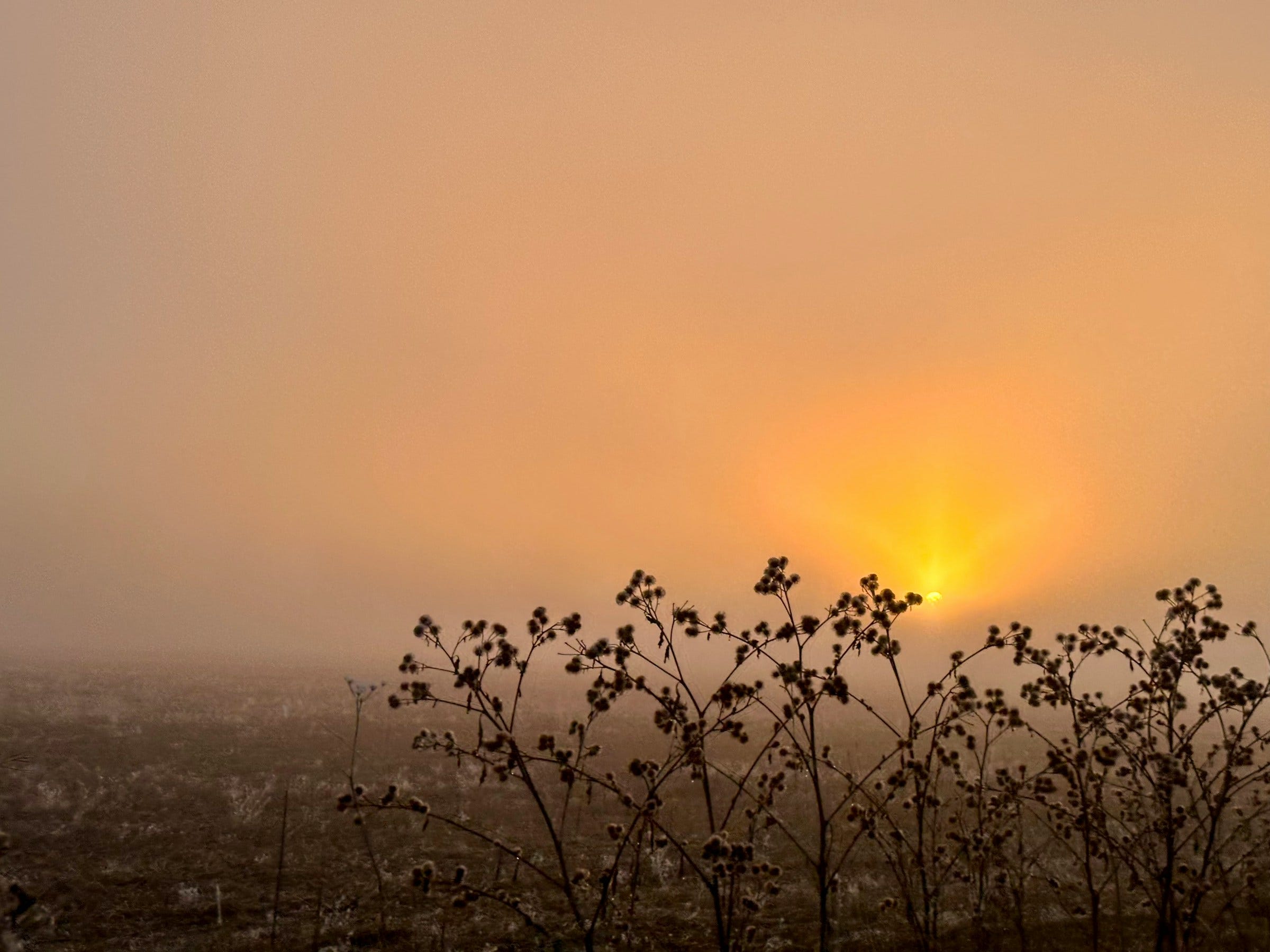
Something happy — the long light coming in — We are within a month of the solstice. The evenings have been going on and on, the last hour of light sliding past nine and the swallows and martins still working the lanes when the kitchen light would normally have come on. There is a particular pleasure in being able to do an evening walk that begins in full daylight and ends in something that is not quite dusk — the slow leak of the sun behind the Malverns, the first stars holding off until you have already turned for home. The light makes its own kind of room.
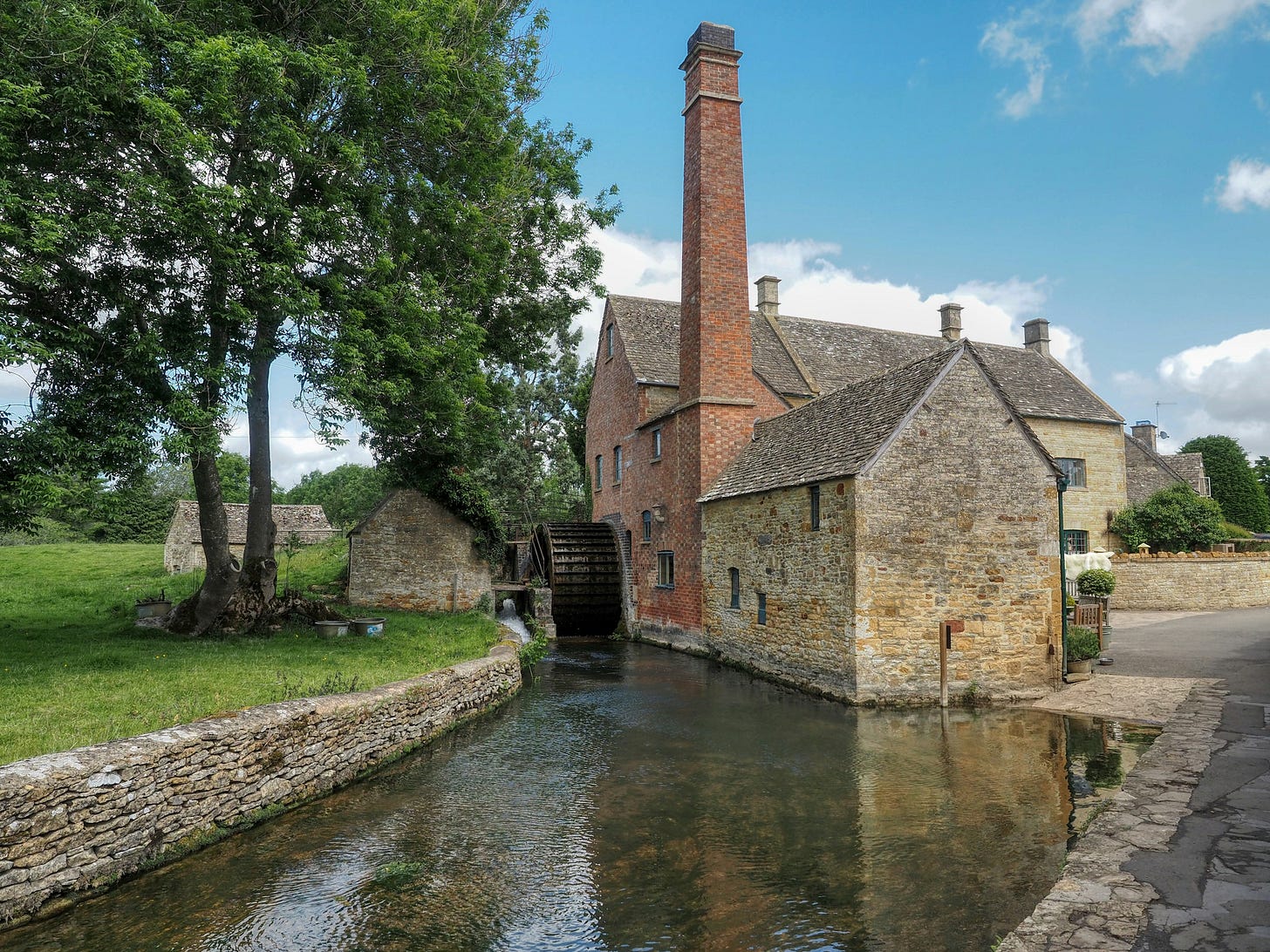
Photo by Terence Robinson on Unsplash
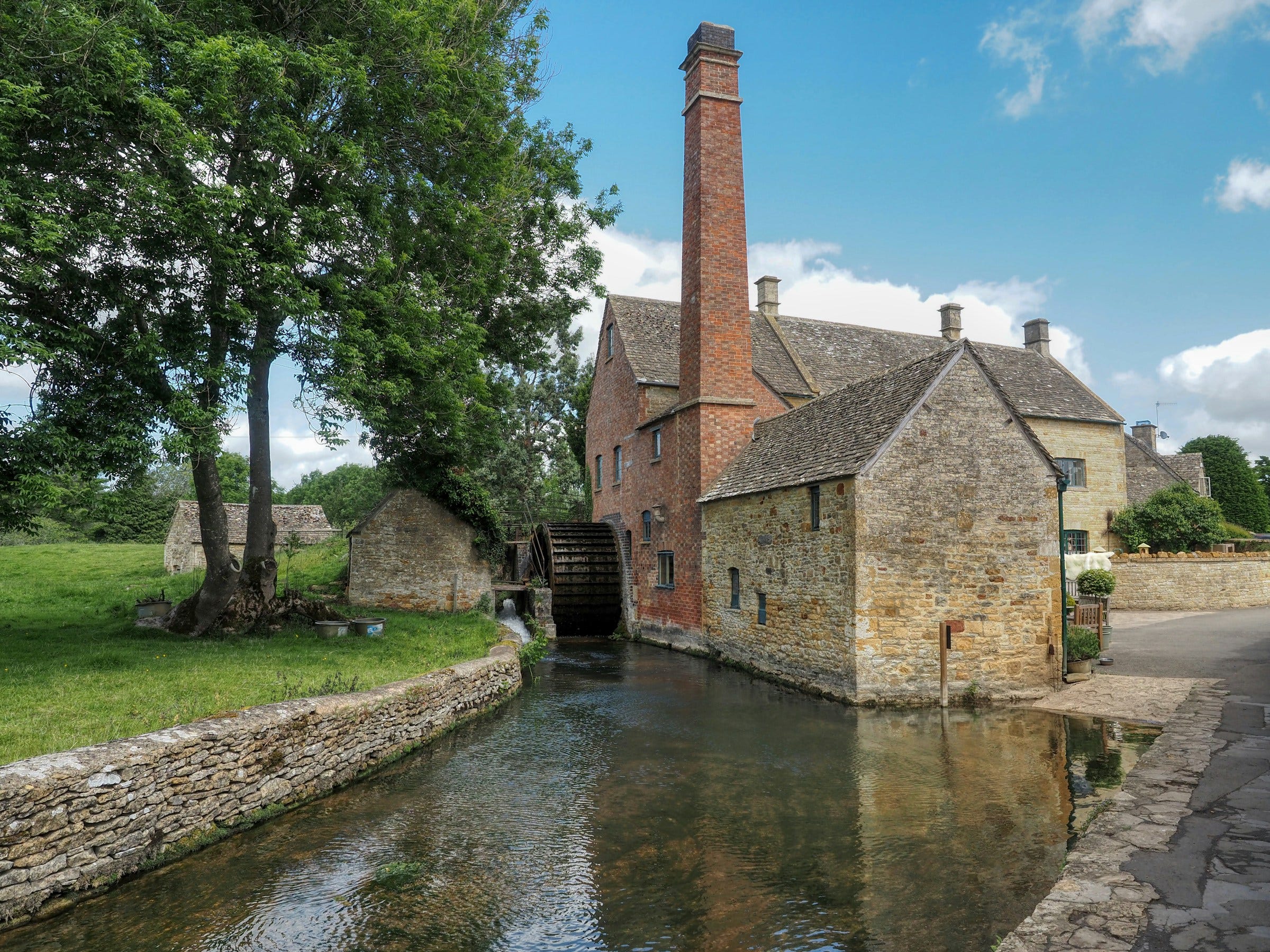
A poem to enjoy — Ivor Gurney, “Cotswold Ways” — Gurney is the third of the Dymock-adjacent poets I have featured this spring, after Edward Thomas and Wilfrid Gibson, and the most painfully gifted of them. Cotswold Ways begins “One comes across the strangest things in walks: / Fragments of Abbey tithe-barns fixed in modern / And Dutch-sort houses where the water baulks / Weired up, and brick kilns broken among fern,...” — a poem entirely built from what a walker finds when the landscape, casually, discloses its earlier industry. Gurney spent his last fifteen years confined to an asylum in Dartford, still writing, still naming the Gloucestershire of his childhood from memory. The poem is, among other things, an essay in attention that the present landscape is built over a vanished one — a small clearing-out, item by item, of what is still legible if a walker is patient enough.
A question for you
Paul Nash saw the “visionary edge” of the woods and downs. Is there a particular place you visit where the landscape feels like more than just trees and earth—where it feels, as Nash might say, like a “council” or a “clearing”?
A thought from me
On the Persistence of Memory: It is moving to think of Gurney in an asylum, rebuilding the Gloucestershire of his childhood item by item, “brick kilns broken among fern.” It reminds me that attention is a form of love. What we notice today becomes the landscape we can retreat to later, built from the “slow leak of the sun” and the “strangest things” found on a walk.
Thanks for reading Beyond Solitude!