

The first meal I cooked for myself was pasta. Not good pasta. Not the kind you make with intention, with garlic browning in olive oil and a glass of something open on the counter. This was pasta because pasta is what you make when you can’t think of anything else, when the kitchen feels like a room that belongs to someone who has left, and you are just passing through.
I stood at the hob in a house I barely knew, in a town I hadn’t chosen, listening to Radio 4 because I’d turned it on in every room. I couldn’t bear the silence. The silence wasn’t just quiet. It was the shape left behind when another life withdraws from yours. A chair at the table. A glass not poured. The absence of the question, what shall we have tonight?
I ate standing up, I think. Or maybe at the table with my phone propped against the salt. I can’t remember, which tells you something about how little I was present for it. I was performing the act of eating, not doing it. Getting through.
That was nearly five years ago now. What happened between then and here is what I want to talk about.
There’s a particular loneliness to eating alone that other solitudes don’t carry. You can walk alone and feel free. You can read alone and feel absorbed. You can even sleep alone and, eventually, get used to the cool expanse of an unshared bed. But eating alone — particularly at home, particularly in the evening — that takes longer to settle.
I think this is because meals were never really about food. They were about the day’s debrief, the ordinary exchange of what happened and what might happen next. The table was where we convened. Without the other person, the table becomes furniture again. Just wood.
There’s a wider awkwardness too. The restaurant table for one, with the waiter’s momentary hesitation. The supermarket aisles stacked with meals for two, for four, for a family. The ‘dinner party’ — that peculiarly middle-class unit of social currency — from which the single person is gently, structurally, excluded. Or worse, included with pity, seated at the end.
I don’t think I fully understood how much of my social life had been organised around the couple until I was no longer part of one. Couples eat with couples. It’s one of the unspoken rules. A single man at a dinner table among couples is a problem to be solved — either a threat or a charity case, depending on the insecurity of the hosts. I learned to stop accepting those invitations quite quickly.
The change, when it came, wasn’t dramatic. There was no revelation over a perfectly seared steak. It crept in, the way most real changes do, through repetition and accident.
I remember a Sunday — maybe eighteen months in — when I decided to make a roast. Not because anyone was coming. Not to prove I could. I just wanted roast chicken, the kind with lemon and thyme pushed under the skin, potatoes done properly in goose fat, the kitchen filling with the smell of it for hours. I set the table. One place. A glass of red wine. I even put music on — not the radio filling silence, but something I’d chosen.
And somewhere during that meal, I noticed I was tasting the food. Not eating it to get through, not shovelling fuel while scrolling the news, but actually attending to what was on the plate. The crisp skin. The give of the potato. The wine — a Côtes du Rhône, nothing special — opening in the glass.
It sounds small. It was small. But it was the first time eating alone felt like something I was doing rather than something that was happening to me.
After that, other small shifts followed. I stopped turning the radio on at mealtimes. The quiet, which had been devastating, became a kind of space — not empty, but open. I started cooking things that interested me rather than things that were easy: a Moroccan tagine from a recipe I’d found online, a fish pie that took most of the afternoon. The effort wasn’t for anyone else’s benefit. It was mine. And the effort itself was a form of saying: I am still here. This life is worth a meal that takes all afternoon.
I began eating outside when the weather allowed, in the small garden behind the house, where I could hear blackbirds in the hedge and watch the light change. That was when I understood something I hadn’t expected: eating alone, done with attention, has a quality that eating with someone else doesn’t always have. You are entirely present. There’s no performance, no conversation to maintain, no negotiation of what to eat or when. Just you and the plate and the evening.
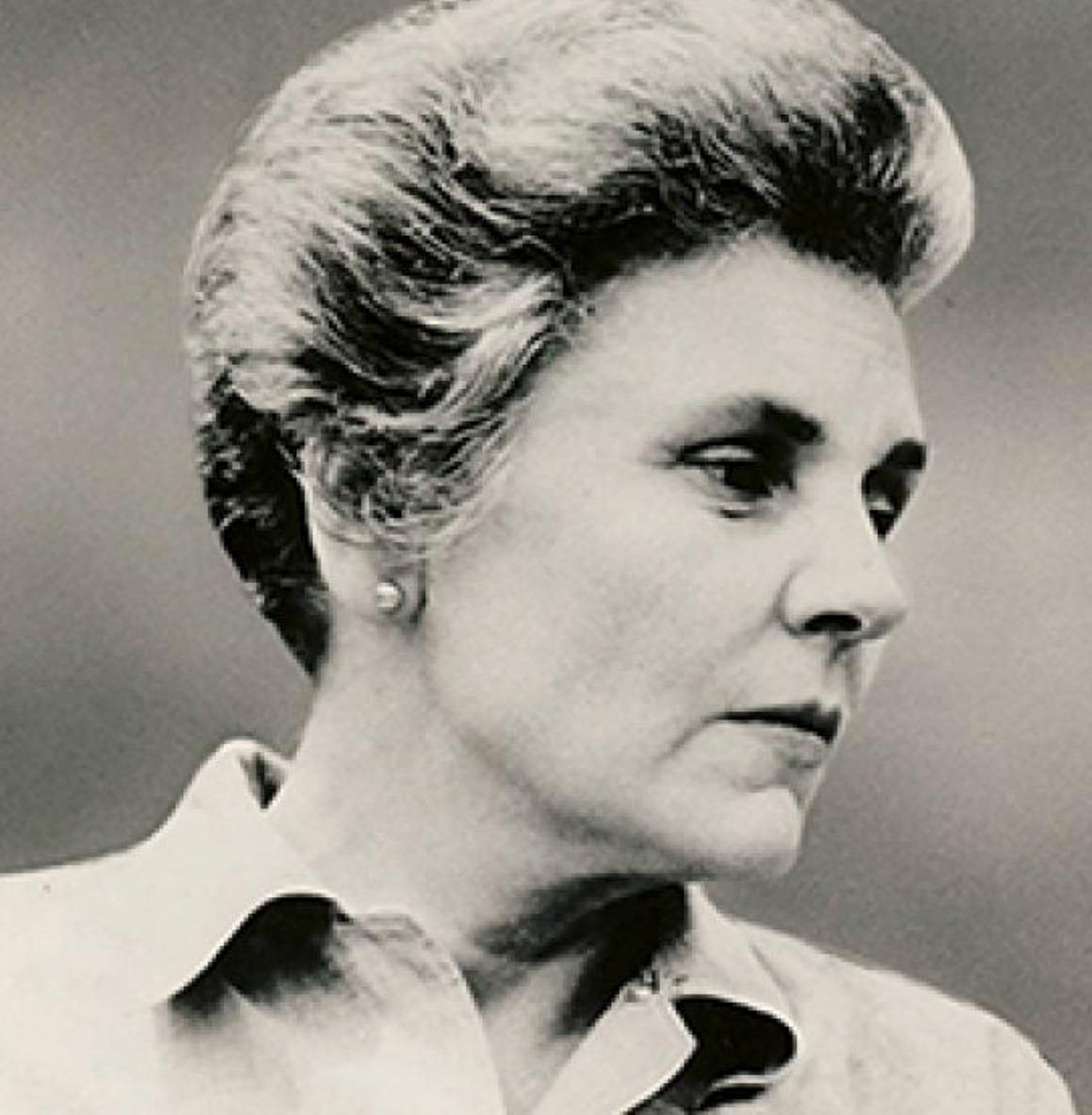
Image: Elizabeth Bishop: Courtesy www.poets.org
The poet Elizabeth Bishop wrote about loss as a practice — something you get better at through repetition, though she was being at least partly ironic. The art of losing, she called it, and the poem builds from small losses (door keys, an hour) toward the catastrophic ones (a continent, a loved one) with a formal control that both contains and intensifies the grief beneath.
I think eating alone is a cousin of this. A small daily loss you practise until it becomes a skill, and then something else entirely — not loss at all, but a form of attention. The discipline of noticing the unglamorous particular, as I’d put it in my own writing life. A plate of food. A glass of wine. The evening light. These things were always there; I just couldn’t see them when I was looking for what was missing.
Time passed, an evening when I cooked a piece of salmon with ginger and soy, rice, some greens from the greengrocer on the high street. Nothing elaborate. I ate at the table by the window with the garden beyond, the last of the daylight caught in the top of the hills.
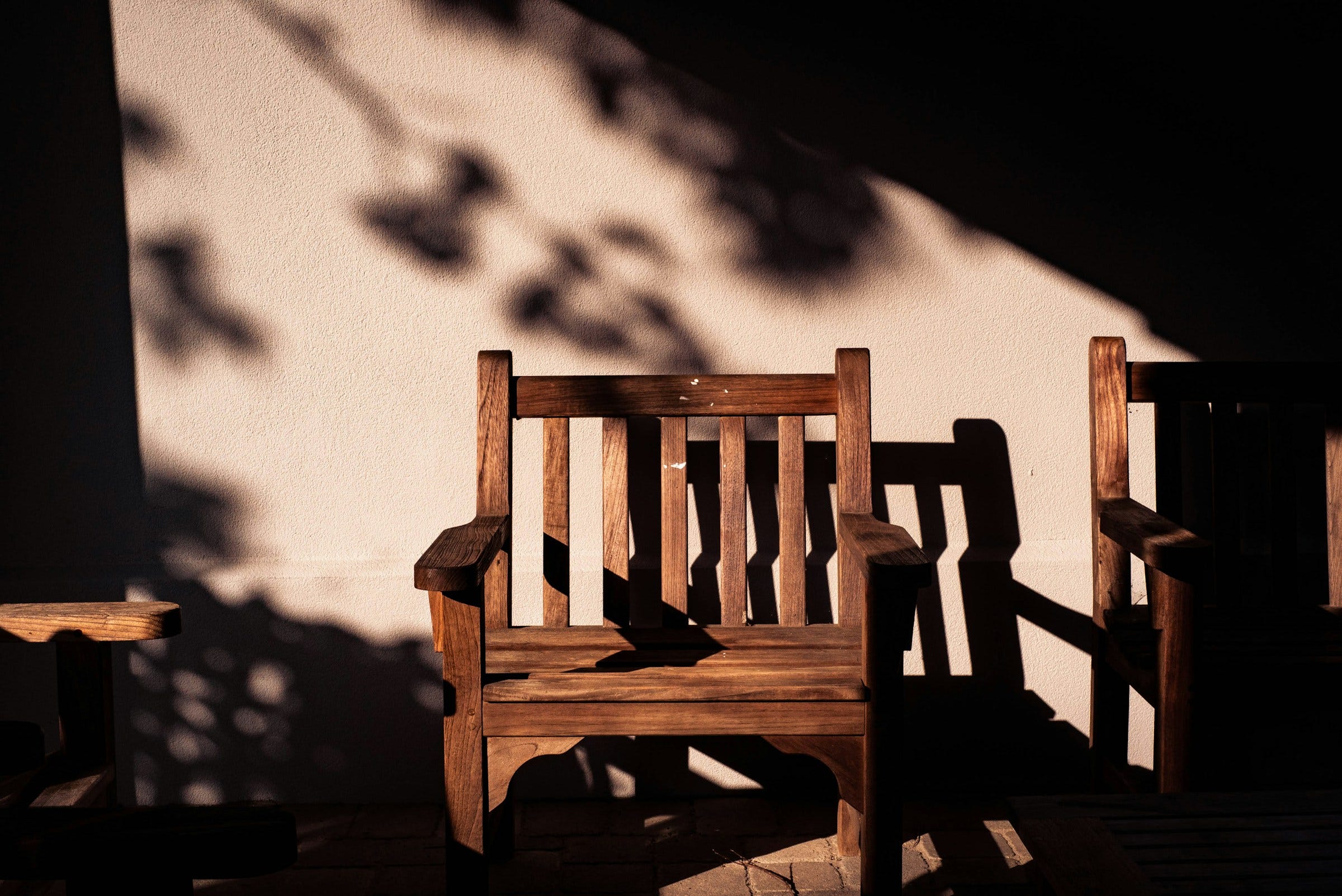
The chair opposite was empty. It had been empty for a long time now, and I thought to myself, it will be empty tomorrow. But somewhere along the way it stopped being an absence and became just a chair, and the table stopped being a place where someone was missing and became a place where I sit, and eat, and pay attention.
The salmon was good. The greens were slightly overdone. The wine — a Picpoul, cold from the fridge — was exactly right.
Outside, a thrush was singing in the hedge, the same phrase repeated and repeated, the way a thrush does, testing each variation against the silence until something holds.
Lovely Adam… evocative, cook chicken like that for me one day 😉 and as with all your writing, a harbinger of hope.