

Photo courtesy rspb.org.uk
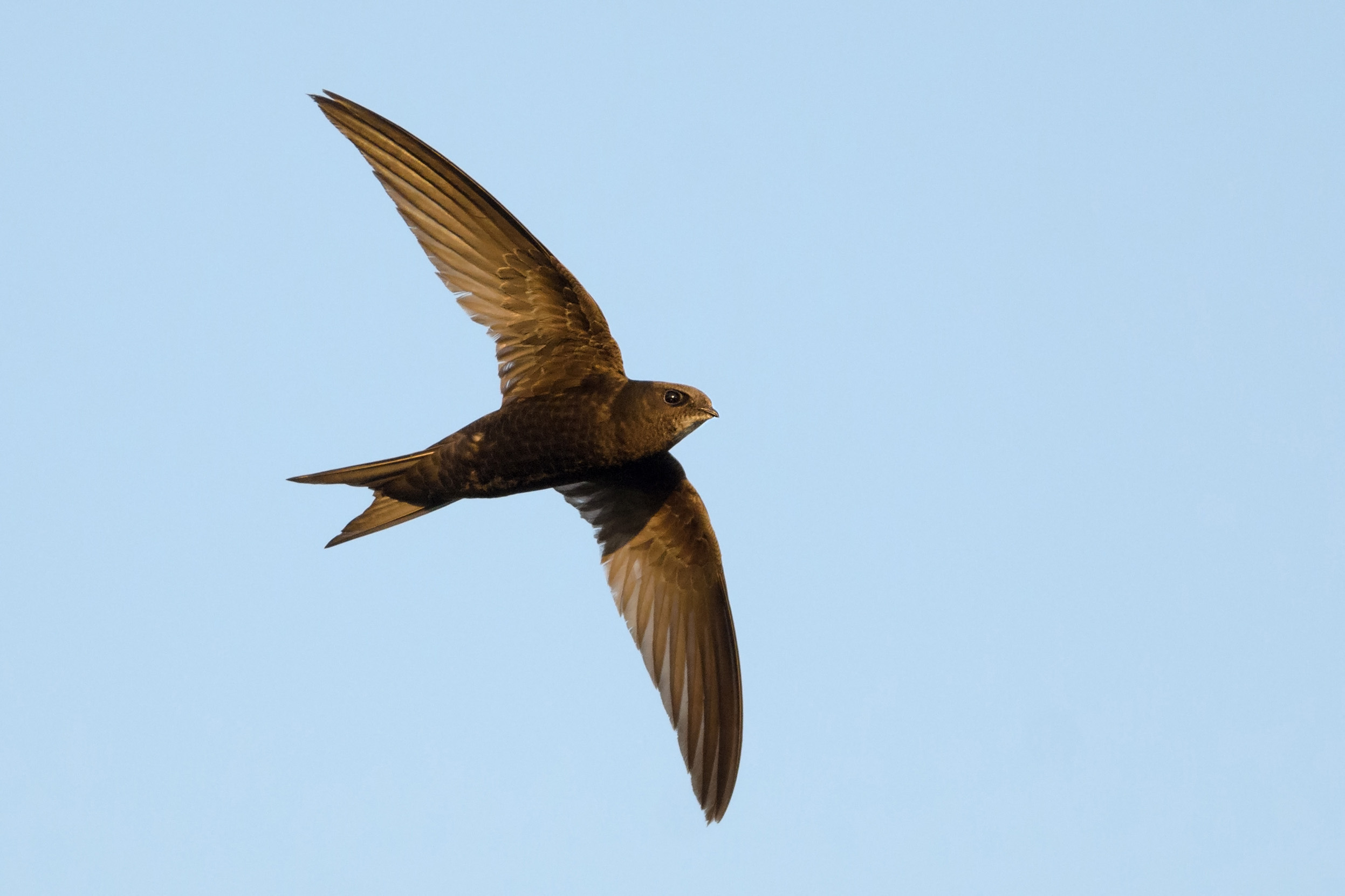
A poem to enjoy — Ted Hughes, “Swifts” — The swifts are back over the lanes — a couple of weeks now of that high, scissoring scream round the eaves at dusk — and there is no better company for it than Hughes’s poem from Season Songs (Faber, 1976). It opens by dating itself almost to the day — mid-May, cherry blossom — and then the birds are simply there, arrived at the tip of their own noise before the eye has caught up. What I keep returning to is the refusal to sentimentalise. Hughes gives the speed and the power and the near-misses, the young bird that doesn’t make its first flight, the whole switchback machinery of the thing — and lets the joy be a joy that includes all of that. The swift is the year’s great emblem of the brief: here for a hot dozen weeks, gone by August, never once landing while it is with us. A poem that attends to an arrival without pretending it will stay.
A Substack to savour — Lia Leendertz, Lia’s Living Almanac — Leendertz writes the bestselling annual Almanac and, alongside it, a free weekly newsletter that does one small, disciplined thing: it asks, every week, what have you noticed that felt seasonal? — then gathers the readers’ answers and rolls them up at the month’s end into a kind of found poem of the season. It is the Katherine May register (April’s pick) turned outward — less interior wintering, more the communal keeping of a calendar by attention. This week’s post happens to open with her counting swifts on the common — sixteen, she thinks, the most she has had at the start of a season — which is either a coincidence or simply what everyone with their eyes up is doing in the third week of May. The almanac discipline — mark the moment, name what is here, let it go — is one I find quietly instructive.
Music I enjoyed this week — Delius, On Hearing the First Cuckoo in Spring — Six or seven minutes of Delius, composed in 1912 — the companion to the swifts in another key. A tone poem built around an exchange of cuckoo-calls in the woodwind, and, at its centre, an old Norwegian folk tune (In Ola Valley) handed to Delius by Percy Grainger. It is a piece about a sound that announces a return: the migrant bird heard before it is ever seen, the season confirmed by a voice from the trees. Thomas Beecham, who did more than anyone to keep Delius in British ears, thought it the best-known thing the composer wrote, and it is easy to hear why. It does in music what the swifts do in the air, and what Leendertz’s readers do in their comment threads: it marks the moment the year turns — lightly, and without insisting.
A question for you — what is the thing that tells you, each year, that the season has turned? Not the date on the calendar but the actual signal: the first swift over the road, the first cut grass, a bird heard before it is seen. Reply and tell me what you listen for — I read every one.
A thought from me — the swifts will be gone by August, and knowing that is less a sadness than an instruction. Most of what is worth attending to is exactly the part that does not stay. The only trick I have found is to look while it is here, and to let the looking be enough.