

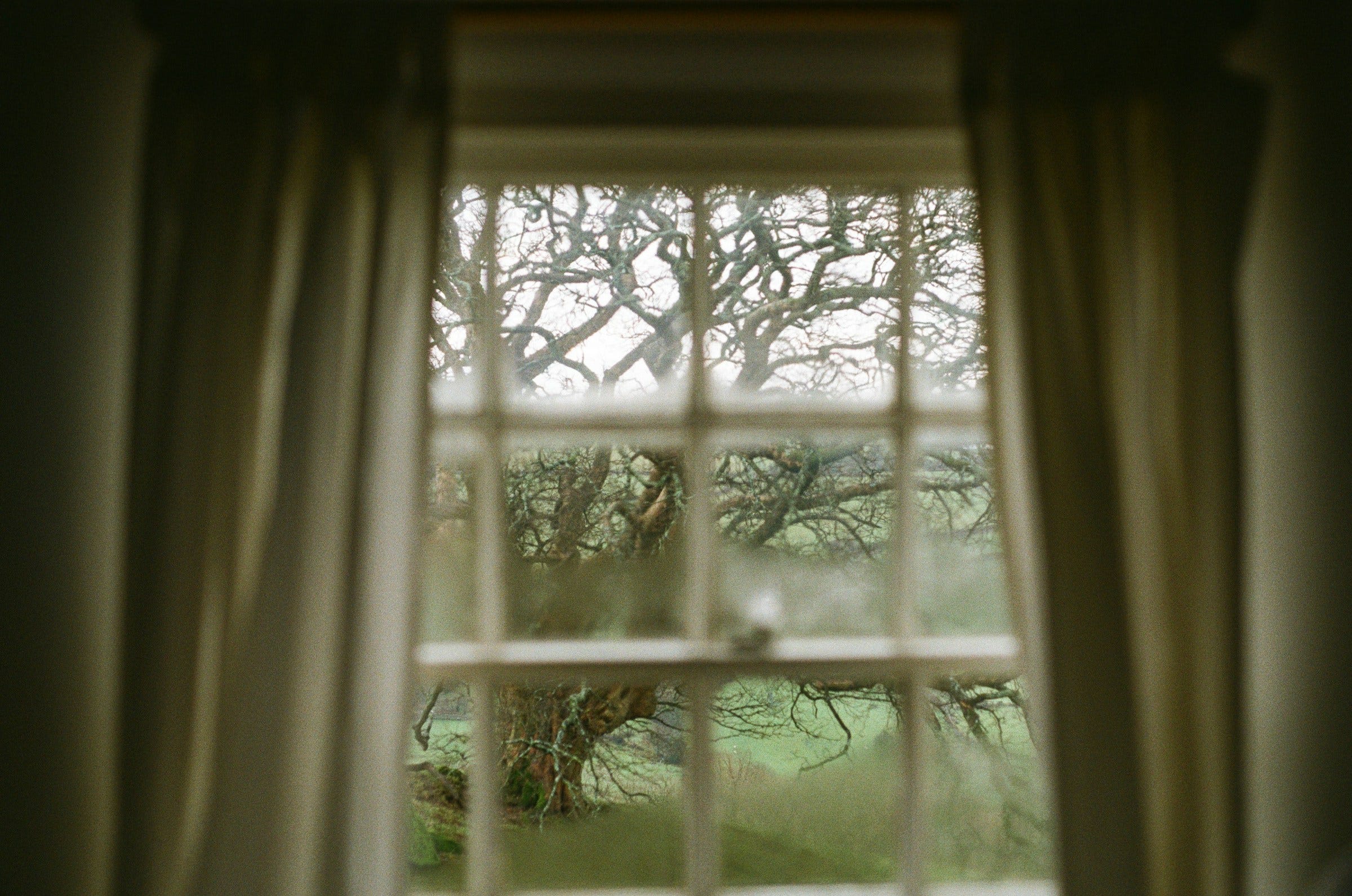
Photo by Hannah Smith on Unsplash
There was a year when I knew the housing stock of three counties better than I knew the rooms I was actually living in.
Most evenings, around nine, I would open Rightmove on my phone and begin a kind of slow scrolling I told myself was a search. A stone cottage in the Black Mountains, with a slate roof and a view that told you the weather a day out. A converted chapel on a Scottish island. A long, low farmhouse in the Cotswolds, far enough off the A-road to be quiet. None of these were houses I knew. None of them were anywhere I had any real connection to. The fantasy they offered was not a particular building — it was a particular state. Arrival. Somewhere I would finally have landed, and where the business of being me could resume.
Meanwhile I was sitting in a kitchen in a town I hadn’t chosen, in a house someone else had as good as picked for me, in a life that had been dismantled in a single conversation and was, months on, still in pieces on the floor.
It took me longer than it should have to understand what those evenings were actually for. They weren’t a search. They were displacement. A way of not being where I was.
I started reading Heidegger around that time — not for consolation, which I’d have resisted on principle, but because someone had mentioned, in another context entirely, that he had written an essay called “Building Dwelling Thinking.” The title alone did something to me. I ordered the book.
Look at the English word dwelling for a moment. It does something curious. It means a place you live — the front-door sense — but it also means a way of being with something. Don’t dwell on it, we say to someone who keeps returning to a hurt. To dwell, in that second sense, is to sit with a thing, to turn it over, to inhabit it with one’s attention.
Heidegger noticed this — in German, Wohnen has a similar reach — and made of it a small philosophical reversal. We do not dwell, he said, because we have built houses. We build houses because we are, already and always, dwellers — creatures who need to be somewhere with a certain quality of care.
I read this in the unchosen kitchen, with twelve tabs of cottages I would never own open in the background, and I understood, slowly, that I had got it the wrong way round. I had been trying to find somewhere to dwell. What I was supposed to be doing was beginning to dwell.
The two are not the same.
There was nothing wrong with the house I was in. Five bedrooms. A working kitchen. A garden with an apple tree in it. The shelter, in any practical sense, was perfectly adequate.
And yet I can tell you, now, with a few years’ distance, which rooms I did not properly enter for months at a time. The large sitting room — who sits, alone, in a sitting room made for company? The small study upstairs that I had meant to make into a writing space, and that filled instead with boxes from the old house, still taped. The spare bedroom, where the bed was made every fortnight for guests who did not come.
The objects had not settled either. A chest of drawers from the old bedroom, in a place that wasn’t the old bedroom, carrying the wrong association. Photographs I could neither display nor put away. A set of kitchen knives that belonged to my former wife, and that I used three or four times a week and disliked every time.
The radio — I have written about this before — was on in every room. It wasn’t company, exactly. It was the sound a house makes when it is not being inhabited: a low, continuous signal that tells you someone, at least, has tried.
This is what it is to have shelter and not dwelling. Walls. A roof. All the furniture in roughly the right places. And no attention landing anywhere. A house quietly waiting to be occupied by its current occupant, who has not yet arrived.
I cannot tell you when it began to change, because there was no moment. But I can tell you what the small beginnings were.
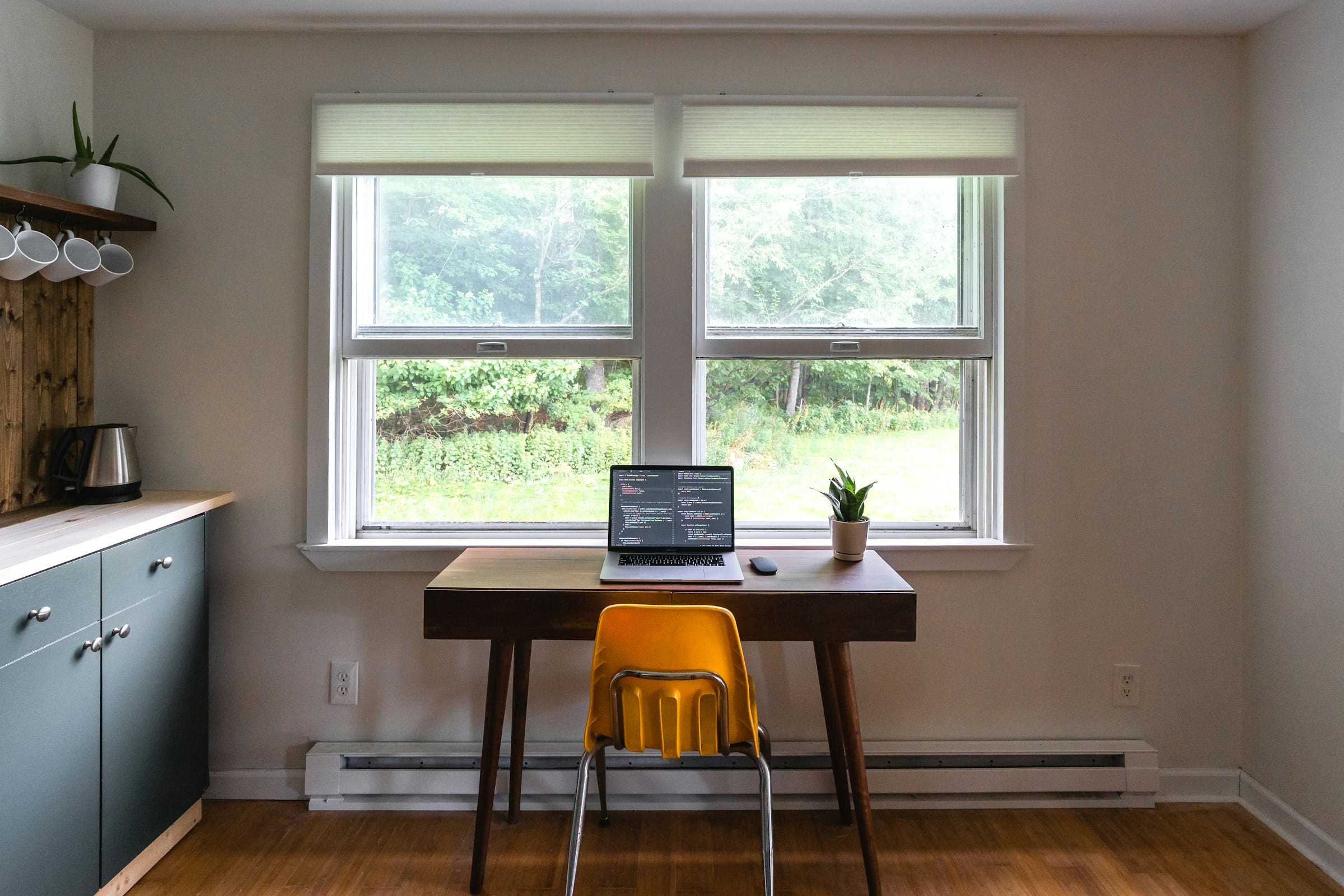
The desk first. I cleared one corner of the cluttered study, moved a chair in front of the window, and began to write there in the early mornings. For months, the only square metre of the house that felt unambiguously mine was the desk. I would walk through rooms that meant nothing to me to get to it, and I would sit down, and something in me would quiet. The desk was the first place I dwelt.
Then the walks. I had always assumed that good walking meant variety, new ground, a different route each time. What I came to understand that year was nearly the opposite. A landscape becomes yours through repetition. The same lane out to the edge of the town. The same path up to the ridge. The badger sett at the corner. The yew that’s struggling. The stile you have to lift yourself over in March because the wood has swelled. You don’t dwell in a place by seeing it once. You dwell by going back, and back, and back, until you start to notice what has changed.
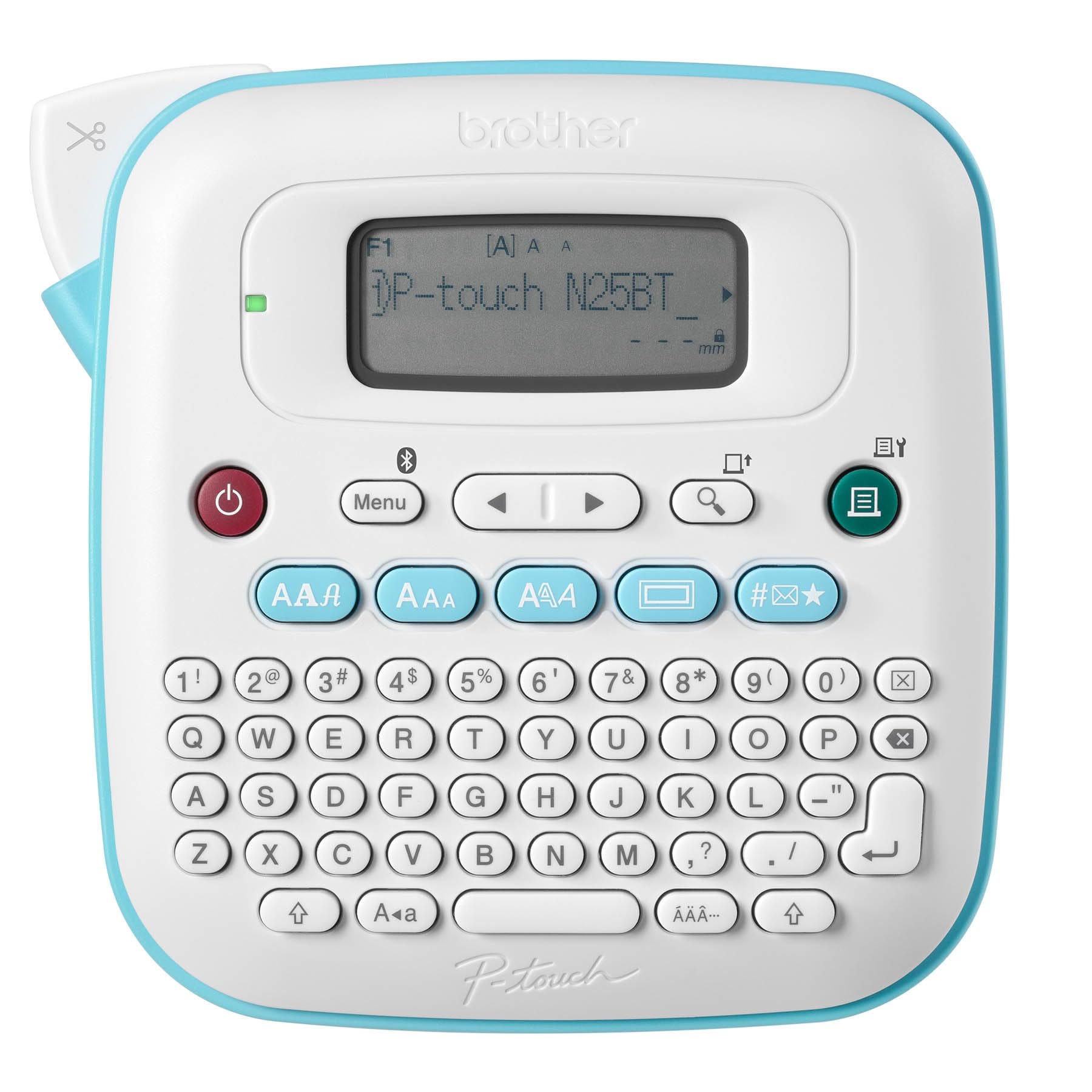
Then the labels. I bought, of all things, a label maker. A grown man with a label maker, I remember thinking — and bought it anyway. Over a few weekends I worked through the house: cupboards, drawers, the boxes still taped from the move that I had begun to suspect I would never unpack as they were. Each thing named. Each thing given somewhere to be. Walking maps, mid-Wales. Tax receipts, 2014–18. Old letters. Ridiculous, possibly. But there was something in the small ritual of naming a thing and putting it somewhere it belonged that was the inverse of how I had been living. The objects that had sat for so long carrying the wrong association — borrowed, stranded, in transit — were, one by one, given small homes of their own. Not the homes they had once had. New ones. Small homes for small things.
And, almost accidentally, poetry. Returning, week after week, to the formless white page and the same mode and the same slow voice. A kind of tending. Dwelling, again, in its second sense — the attentive returning that turns a thing into a place.
What I had been looking for in those Rightmove evenings — arrival, some final landing — was never a matter of address. It was a practice I was going to have to learn, and the learning began the day I stopped scrolling and started attending to what was already in front of me.
The change was not in the house. The change was in the attention.
That, I think, is what Heidegger is reaching for, in his difficult and circuitous way. A home is not found, exactly. It is made. And it is not made by building, not really. It is made by a quality of returning. To a desk. To a lane. To a feeder. To a piece of writing on a Sunday morning. To the kettle, first thing, in a kitchen one has finally stopped looking past.
The kettle is the image I keep coming back to. There is nothing in particular to say about it. Green steel, scaled at the bottom. But to lift it, fill it, set it down on its base, hear the small click and the rising hum — and to do this in the same way every morning, in any kitchen, knowing that this is the start of the day’s attention — is the smallest version of what I think the word dwell is finally trying to say.
The ground may change. The practice does not.